
Reental is a tokenized real estate investment platform that allows investors to purchase fractional shares of property using blockchain-based digital tokens.
Introduction to Reental
Reental is one of those platforms that makes tokenized real estate feel simple. You pick a property deal, buy tokens, and aim for property-linked returns.
However, the details matter—a lot.
Some platforms sell “fractional ownership” as if you own part of the building. Reental’s model is closer to a structured real estate investment where your token represents a claim defined by the project terms.
That structure can be a plus. It can also change the risks.
So in this Reental review, I’ll explain how it works, where it shines, and what you should double-check before putting money in.
This article may contain affiliate links for Reental. If you use them, you support our work at no extra cost to you. We only recommend platforms that we have carefully reviewed.
🎬 Watch the full breakdown before investing:
TL;DR
Reental is a tokenized real estate platform with a low barrier to entry and an easy-to-use investing flow. It’s attractive if you want property exposure without buying a whole unit.
Still, tokenized real estate is not magic. Liquidity can be limited. Returns can vary. And the legal structure matters.
If you treat it like a real investment product (not a “quick crypto play”), Reental can be a solid option to explore.
What is Reental?
Reental is a tokenized real estate platform that allows investors to purchase fractional ownership in rental properties using blockchain-based digital tokens.
Instead of buying an entire property, investors can purchase small shares of real estate projects. These tokenized shares represent ownership rights linked to rental income and potential property appreciation.
The idea behind Reental is simple: make real estate investment more accessible by lowering the capital required to participate.
Platforms like Reental are part of a wider shift toward real-world asset tokenization, where blockchain technology is used to represent traditional assets such as property, bonds, or commodities as digital tokens.

How Reental works (step by step)
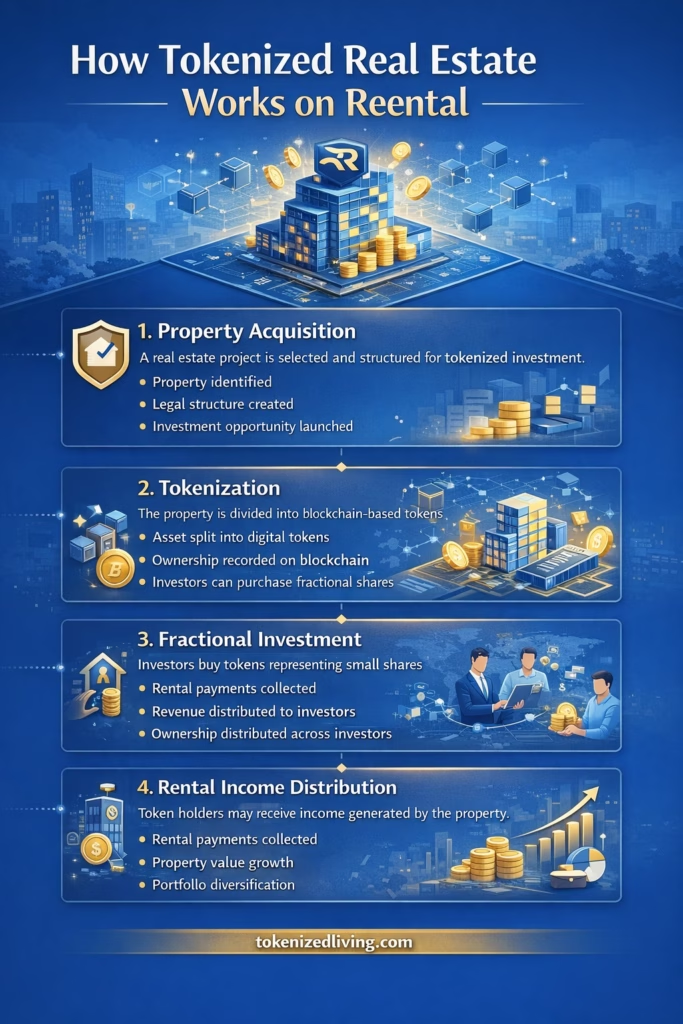
Reental uses blockchain infrastructure to divide real estate assets into digital tokens that investors can purchase.
A simplified process looks like this:
- Reental acquires or partners on a property investment project.
- The asset is divided into blockchain-based tokens.
- Investors purchase tokens representing fractional ownership.
- Rental income is distributed to token holders.
- Investors can potentially exit through secondary market mechanisms.
This model reduces the traditional barriers to property investment such as large down payments, mortgage approvals, and complex cross-border transactions. You can read a more detailed article on how reental works.
Key Features of Reental
Several characteristics define the Reental platform.
Fractional Ownership
Investors can purchase small shares of real estate instead of full properties.
This allows participation with relatively low capital compared to traditional real estate investment.
Blockchain-Based Tokens
Ownership is represented through blockchain tokens that correspond to shares in property-backed structures.
Blockchain technology helps maintain transparent records of ownership and transactions.
Rental Income Distribution
Token holders may receive a portion of rental income generated by the underlying property.
Returns depend on property performance and rental demand.
Global Investor Access
Reental aims to allow investors from different countries to participate in real estate opportunities without needing to manage property directly.
Pros and Cons of Reental
Like any investment platform, Reental has advantages and limitations.
| Pros | Cons |
|---|---|
| Lower investment threshold | Liquidity may be limited |
| Access to real estate markets | Regulatory frameworks evolving |
| Passive rental income potential | Property performance risk |
| Blockchain transparency | Platform risk |
Understanding both sides is important when evaluating tokenized real estate platforms.
Reental vs RealT
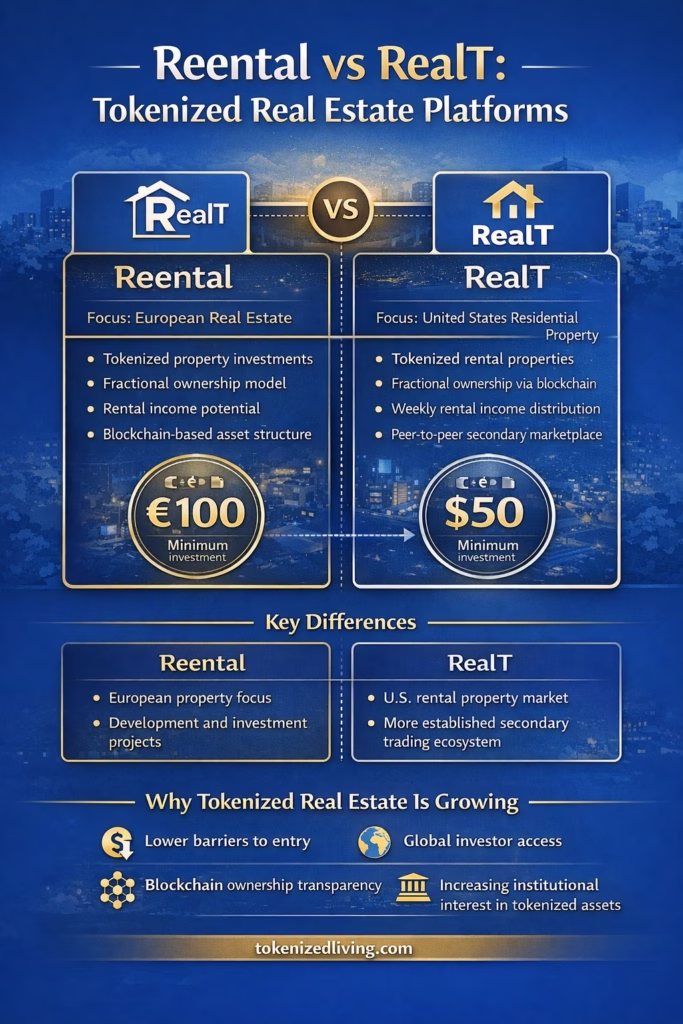
Two of the most discussed tokenized real estate platforms are Reental and RealT. While they share similarities, their focus differs.
| Feature | Reental | RealT |
|---|---|---|
| Primary market | Europe | United States |
| Minimum investment | ~€100 | ~$50 |
| Blockchain | Ethereum | Ethereum / Gnosis |
| Income source | Rental income | Rental income |
| Secondary liquidity | Limited | Peer-to-peer marketplace |
Both platforms aim to lower barriers to property investment through tokenization.
However, their geographic focus and ecosystem differ.
Is Reental Legit?
Reental operates within the emerging sector of tokenized real-world assets (RWAs).
Projects typically use legal structures such as special purpose vehicles (SPVs) to connect token ownership with rights to property income.
This structure helps align blockchain tokens with existing real estate legal frameworks.
However, the regulatory environment for tokenized real estate continues to evolve in many jurisdictions.
Investors should understand that platforms in this sector combine elements of traditional property investment, fintech platforms, and digital assets.
What Returns Can Investors Expect?
Returns from tokenized real estate depend on several factors:
1. rental demand
2. property location
3. property management
4. platform costs
5. market conditions
Typical tokenized real estate investments aim to generate returns through a combination of:
- Rental income distributions
- Property value appreciation
Actual returns vary between projects.
Risks of Investing Through Reental
Tokenized real estate is still a relatively new investment category.
Investors should consider several risks.
Liquidity Risk
Secondary markets for tokenized property assets remain limited.
Exiting an investment may take time.
Platform Risk
Investors rely on the platform infrastructure and operational stability.
Property Market Risk
Real estate values and rental demand can fluctuate.
Regulatory Risk
The legal frameworks around tokenized assets are still developing.
Legal Risk Box
Legal Risk Consideration
Tokenized real estate platforms operate at the intersection of property law, securities regulation, and blockchain technology.
While tokens represent economic rights linked to property assets, the legal enforceability of these rights depends on the platform’s underlying legal structure.
Be aware that investors should review project documentation and regulatory disclosures carefully.
Market Insight: Why Tokenized Real Estate Is Growing
The growth of tokenized real estate is part of a broader movement to bring real-world assets onto blockchain infrastructure.
Analysts often cite several reasons for this trend:
1. improved accessibility
2. lower investment thresholds
3. greater transaction transparency
4. potential global liquidity
Major financial institutions have also begun exploring tokenization in areas such as bonds and funds.
Moreover, this growing interest suggests the sector may continue evolving in the coming years.
Pull Quote
“Tokenization changes how investors access real estate — it does not change the underlying economics of property investment.”
Who Is Reental Best For?
Reental may appeal to investors who:
1. want exposure to property markets without buying full properties
2. prefer passive real estate income streams
3. are interested in blockchain-based investment infrastructure
4. want to diversify beyond traditional financial assets
However, tokenized real estate should typically be viewed as one component of a diversified portfolio.
Frequently Asked Questions
What is Reental?
Reental is a tokenized real estate platform that allows investors to purchase fractional shares of property using blockchain-based tokens.
How much do you need to invest in Reental?
Minimum investments typically start around €100, depending on the project.
Does Reental pay rental income?
Some projects distribute rental income to token holders; however, it depends on the property’s performance.
Is tokenized real estate safe?
Tokenized real estate carries risks similar to both real estate investments and digital asset platforms. Therefore, investors should carefully review project details before investing.
Is Reental regulated?
Reental operates within the emerging regulatory framework for tokenized real-world assets and digital investment platforms. Property investments are typically structured through legal entities that hold the underlying real estate, while investors purchase blockchain-based tokens linked to those assets. However, regulations for tokenized real estate are still evolving, so investors should review the legal structure and disclosures for each project before investing.
Conclusion
In conclusion, Reental represents one of the emerging platforms exploring how blockchain technology can transform real estate investment.
By dividing properties into digital tokens, the platform aims to make property ownership more accessible to a wider range of investors.
However, tokenized real estate remains an evolving market. Furthermore, investors should approach opportunities carefully and evaluate both the potential benefits and risks.
Finally, for those interested in the future of fractional ownership and blockchain-based asset markets, platforms like Reental provide an early glimpse into how property investment may evolve in the years ahead.

We use AI tools to enhance research and drafting, always under human supervision.