
Updated September 15, 2026
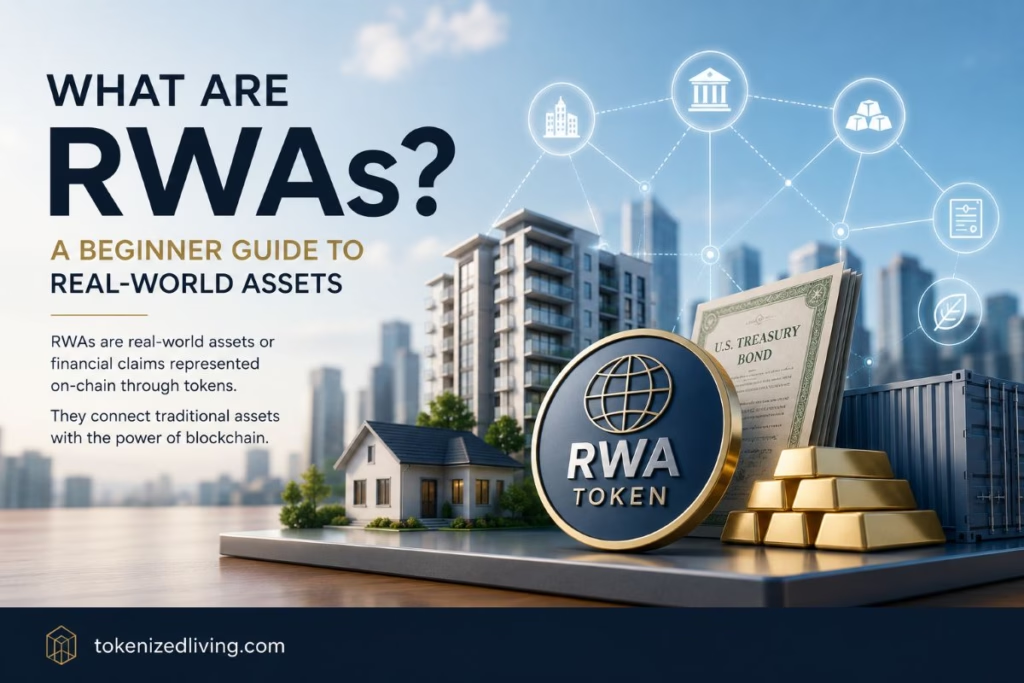
RWAs are real-world assets, including property, gold, bonds and business loans. In crypto, the term usually refers to digital tokens representing these assets or rights connected with them.
For example, a token might represent shares in a rental-property company or units in a government bond fund. Understanding that connection helps you see what you own and where the investment’s value comes from.
TL;DR
Real-world assets include physical property and financial claims, such as loans and fund shares. Tokenized RWAs use digital tokens to represent defined interests in those assets, with different rights, costs and risks for each product.
What Does RWA Mean in Crypto?
RWA is short for real-world asset, while RWAs is the plural. The term covers familiar assets from traditional markets, even when their ownership records already exist digitally.
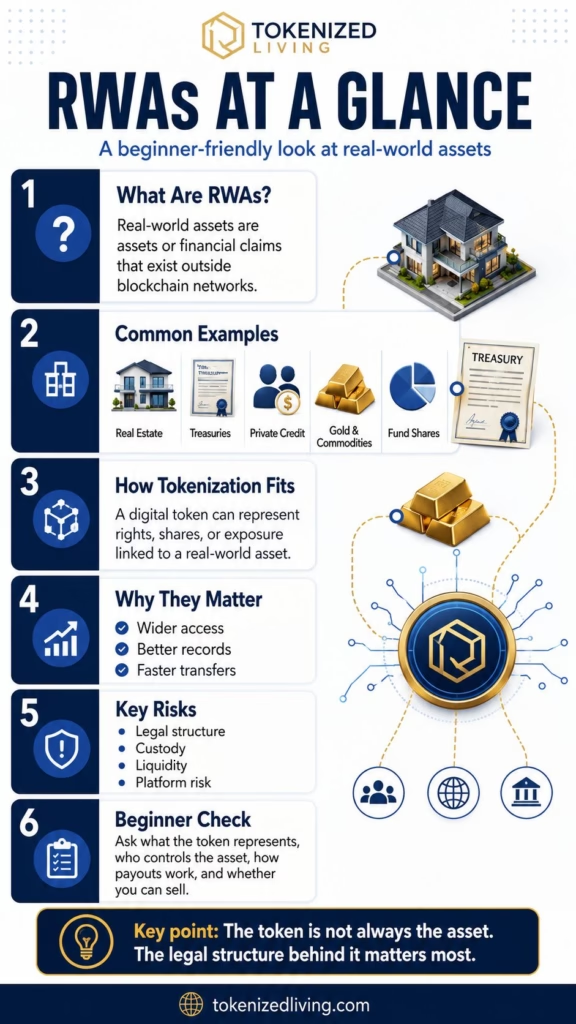
Some examples are tangible, such as farmland, buildings and gold bars. Others involve financial rights, including a lender’s claim for repayment or an investor’s shares in a fund.
These assets can exist without tokenization. A house remains a real-world asset whether its owner uses a paper deed, an electronic registry or a tokenized investment structure.
In crypto discussions, however, people often shorten “tokenized real-world assets” to “RWAs.” That means the conversation usually concerns a blockchain-based product linked to an asset or financial claim.
Examples of Real-World Assets
The RWA category includes investments with very different sources of value. This table shows common examples and the interests a related token might represent.
| Asset type | What a related token may represent |
|---|---|
| Real estate | Shares in a property company or a property loan |
| Bonds and money market funds | A bond or units in a fund holding securities |
| Gold and other commodities | Ownership or redemption rights under custody terms |
| Private credit | A loan claim or an interest in a lending fund |
| Company shares | Equity or a separate claim linked to share performance |
| Art and collectibles | An interest in a structure that owns the item |
Our guide to tokenization in agriculture explores how these structures apply to stored grain, farmland and farm loans, including what each token may actually represent.
An apartment building depends on tenants, operating costs and property demand. By comparison, a business loan depends heavily on the borrower’s ability to repay.
Gold has another source of value because its price moves with the gold market. Simply holding metal does not generate rent or interest, although a separate lending arrangement could introduce income and additional risk.
Another example: a verified methane-capture project may generate carbon credits for reducing greenhouse-gas emissions. A platform offering tokenized carbon credits could let buyers hold those credits digitally and request retirement through a recognized registry.
How Does an Asset Become a Tokenized RWA?
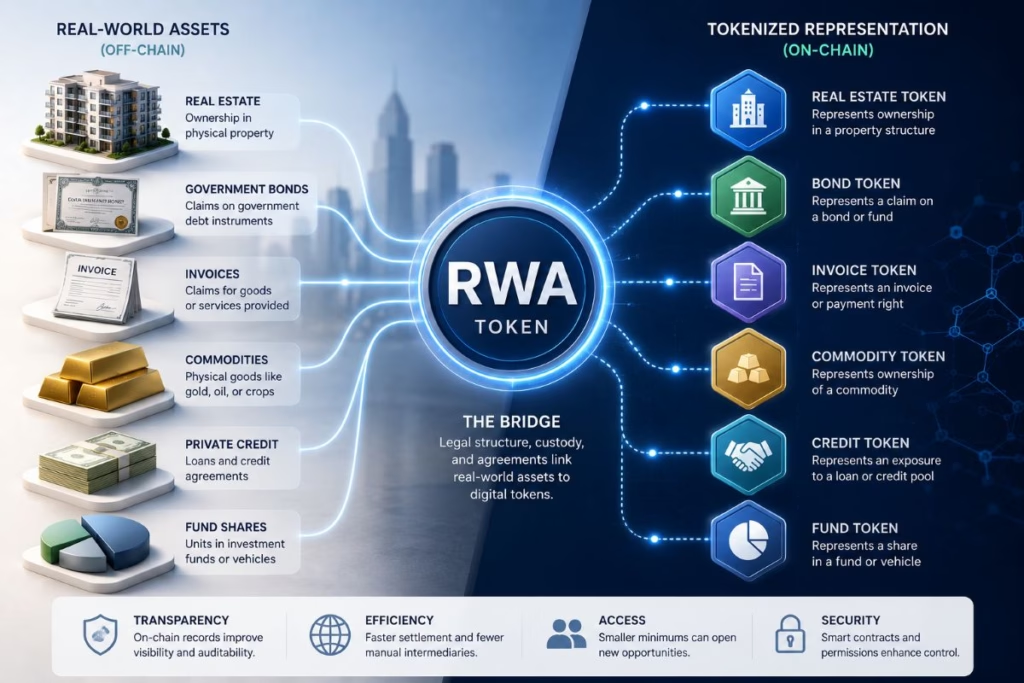
Tokenization gives an asset or financial right a digital representation. The issuer defines what holders receive and connects the token system with the relevant documents and ownership records.
For physical assets, someone still needs to hold or manage the underlying item. Buildings require maintenance, while gold needs storage and checks that the stated holdings exist.
Financial assets can work differently because the token may itself represent a fund share, bond or company share. Their value still depends on the fund’s investments, the borrower’s payments or the company’s performance.
Our guide to what tokenization means explains the process in more detail. Here, the key is identifying the asset and the specific interest offered to investors.
A Simple Property Example
Imagine a company owns a rental property and issues 10,000 tokens representing all its equity. For this simplified example, every token carries equal rights and there are no other share classes.
You buy 100 tokens, giving you 1% of the company’s equity. The company holds the property, while your tokens represent your interest in that company.
Suppose the company distributes $20,000 after paying its expenses and setting aside reserves. Your 1% share would be $200 before personal taxes, assuming distributions follow ownership percentages.
This is an illustration, and actual payments could be lower or stop entirely. Vacancies, repairs, debt payments and management decisions can all affect the money available.
The example combines tokenization with fractional ownership, which divides ownership among several investors. However, fractional ownership also works through conventional company shares without blockchain.
What Do RWA Token Holders Actually Own?
The answer depends on the product’s legal structure and records. A similar-looking token can represent equity, a debt claim, fund units or a contract linked to an asset’s price.
With equity, investors may receive a share of distributions and future sale proceeds under the company’s rules. A lender instead holds a repayment claim, with terms covering interest, maturity and any security for the loan.
Third-party products require particular attention because their rights can differ from those of the asset they reference. In some arrangements, investors hold a claim against a separate issuer rather than shares in the underlying company.
The SEC staff’s January 2026 statement on tokenized securities explains these differences across several models. It also identifies additional third-party risks, including bankruptcy, that direct holders of the underlying security may not face.
Before buying, identify the issuer, the asset holder and the party responsible for payments. Then check how the token balance connects with the official record of your rights.
A Real Example: A Tokenized Money Market Fund
Franklin Templeton’s Franklin OnChain U.S. Government Money Fund provides a practical example of a financial RWA. Its shares use blockchain-based recordkeeping, while the investment portfolio holds conventional financial assets.
The fund invests at least 99.5% of its assets in government securities, cash and qualifying collateralized repurchase agreements. Those agreements are short-term financing transactions backed by specified collateral.
Investors hold fund shares, so they do not individually own each security in the portfolio. Franklin Templeton also states that investors can lose money and that the fund has no government guarantee.
The official fund page explains its investment approach and risks. This example shows how blockchain recordkeeping can sit alongside an established fund structure.
RWA Investment Tokens vs Platform Tokens
An RWA investment token and a platform’s own token can serve different purposes. Buying a token associated with the RWA sector does not automatically give you a claim on property, gold or bonds.
For example, a platform might offer separate tokens for individual property investments. Its governance token might instead let holders vote on certain platform decisions, without granting rights to those properties’ rental income.
Utility tokens may provide service access or fee discounts, depending on their terms. Therefore, check the exact token and its rights before treating it as an investment in an underlying asset.
How Are RWAs Different From Bitcoin?
Bitcoin and ether are crypto-native assets that operate within their respective blockchain networks. Holding them does not, by itself, create a claim on a building, gold reserve or government bond.
Tokenized RWAs connect blockchain records with assets, businesses or financial obligations beyond the network. As a result, their performance can depend on borrowers, custodians, fund managers and other outside parties.
Both categories can face market and technical risks. However, RWA investors also need to assess the underlying asset and the arrangements that connect it to the token.
Why Tokenize Real-World Assets?
Tokenization can support shared records and rules that automate parts of a transaction. For example, software may restrict transfers to approved investors or help administrators process distributions.
The Bank for International Settlements describes these capabilities in its explanation of tokenization and programmable platforms. Actual benefits depend on the system’s design and how it connects with existing financial services.
Some products also offer smaller investment units, which can make participation more affordable. However, conventional funds already provide fractional exposure, so compare minimums, fees and rights across both formats.
Faster record updates may help administration, but they do not guarantee a quick sale. Finding a willing, eligible buyer remains a separate task.
What Are the Main Risks?
Asset performance and costs
The underlying investment can lose value or produce less income than expected. Property expenses, borrower defaults and changes in market prices can reduce returns regardless of the technology used.
Fees also affect what investors receive and recover when they exit. Review purchase charges, ongoing management costs and selling or redemption fees together.
Legal rights and service providers
Investors depend on the parties that issue tokens, hold assets and maintain records. Fraud, poor management or disputes can interrupt payments and make recovery difficult.
A clear legal structure helps explain your rights, but it cannot make an investment risk-free. You also need to understand the asset, its obligations and how claims would work if something failed.
Technology and account access
Smart-contract errors, stolen credentials and custody failures can affect token holdings. Some products require investors to secure their own wallets, while others use an account managed by a service provider.
Blockchain records also have limits because they only show information recorded within the system. Confirming property condition, outstanding debts or stored gold requires reliable reporting from outside it.
Resale and redemption
Liquidity means being able to sell without a long wait or a substantial price reduction. A listed token may still attract few buyers, especially when transfer rules limit who can participate.
Redemption is different because it involves returning an investment under the product’s terms. Check whether that option exists, when it operates and what could delay or suspend it.
What Should Beginners Check?
Start with the offering documents and current reports. Use these six questions to turn the RWA label into a clearer picture of the investment.
- What supports its value? Identify the property, securities, loans or other assets involved.
- What rights do I receive? Establish whether you hold equity, debt, fund units or another defined claim.
- Who holds and manages the assets? Find the legal owner, custodian and relevant service providers.
- Where would any return come from? Check income sources, expenses, debt and payment conditions.
- How can I exit? Review actual resale activity, buyer restrictions and redemption terms.
- What happens if the platform closes? Establish who would maintain records, manage assets and handle investor claims.
If property is your main interest, our tokenized real estate platform comparison applies these questions to different offerings. Compare their investment structures and exit arrangements before focusing on the minimum purchase amount.
Where to Go Next
RWAs describe a broad group of assets with different sources of value and risk. Understanding the specific investment and your rights gives you a useful starting point for further research.
Continue with our beginner’s guide to RWA tokenization for a wider explanation of the market and investment process. For a property-focused route, read the complete guide to tokenized real estate.
Frequently Asked Questions
What does RWA stand for?
RWA stands for real-world asset, and RWAs is the plural. In crypto, the term commonly refers to tokens representing traditional assets or rights linked to them.
Do RWAs have to be physical assets?
No, the category also includes financial assets such as bonds, company shares and loans. Their value comes from financial rights and obligations rather than a physical object you can hold.
Are all RWA tokens backed by assets?
The label alone does not establish what backing exists. Some products represent asset ownership, while others offer contractual exposure or are platform tokens with different rights.
Do all tokenized RWAs pay income?
No, payments depend on the underlying asset and the investment terms. A property interest might distribute rental income, while a collectible investment may depend on a future sale.
Can anyone buy tokenized RWAs?
Access depends on the product, the investor’s location and applicable eligibility rules. Some offerings accept retail investors, while others restrict participation to qualified or institutional buyers.
Can you lose money on RWAs?
Yes, losses can result from falling asset values, defaults, fees, fraud or failures involving service providers and technology. Depending on the product and circumstances, investors could lose some or all of their money.