

Updated September 14, 2026
Fractional ownership means owning a share of an asset alongside other owners. You might hold that interest directly or through a company that owns the asset.
For example, several buyers could share a rental property, holiday home or valuable artwork. Their agreement determines how they divide costs, make decisions and receive any income or sale proceeds.
TL;DR
Fractional ownership can make an expensive asset accessible through a smaller ownership interest. Before buying, establish what you own, what costs you must cover and how you can sell your share.
What Does Fractional Ownership Actually Mean?
The basic idea is shared ownership of something that could otherwise belong to one owner. Each buyer acquires a defined interest, which may carry financial benefits, responsibilities and decision-making rights.
With direct property ownership, several people may hold interests in the legal title. Under a company structure, investors own shares or membership interests in the business that holds the property.
Those arrangements can provide similar exposure while creating different rights and obligations. The purchase documents should identify which structure applies and what your interest includes.
A loan or a contract for income payments creates a different position. Lending money to a property business does not, by itself, make you a part-owner of its buildings.
A Simple Fractional Property Example
Imagine a company buys a rental property for $400,000 without a mortgage. Twenty investors contribute $20,000 each and receive equal shares representing all the company’s equity.
Each investor owns 5% of the company. The company owns the property, while the investors hold their interests through its shares.
Suppose the company has $12,000 available for distribution after expenses and reserves. If it distributes that amount equally according to ownership, each investor receives $600 before personal taxes.
| Part of the example | Amount |
|---|---|
| Property purchase price | $400,000 |
| Each investor’s contribution | $20,000 |
| Each investor’s ownership interest | 5% |
| Each investor’s share of a $12,000 distribution | $600 |
This is a simplified illustration, rather than a forecast of investment performance. Actual purchases may involve borrowing, acquisition costs, different share classes and additional fees.
If the property is eventually sold, investors receive what their agreement entitles them to after applicable deductions. A higher sale price does not automatically translate into an equivalent percentage profit for shareholders.
How Does Fractional Ownership Work?
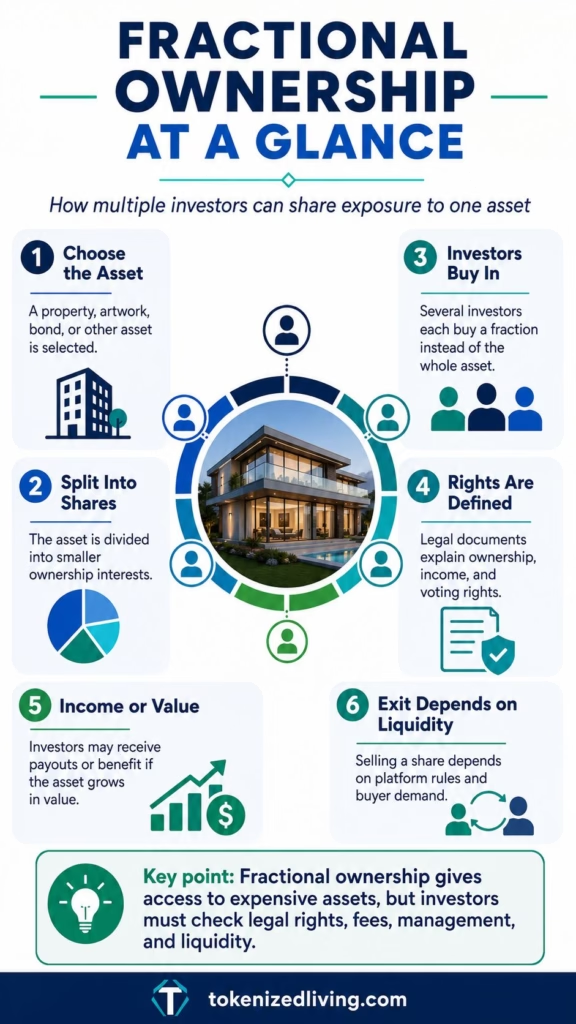
The buyers or organiser first identify an asset and agree on its ownership structure. They then establish the purchase price, ownership percentages and funding arrangements.
The agreement sets out how the asset will be managed and how decisions will be made. It should also explain income distributions, shared expenses and the process for transferring an interest.
Owners complete the purchase and receive the relevant evidence of ownership. Depending on the structure, this might involve title records, company records or another legally recognised register.
Management continues after the purchase, whether owners handle it themselves or appoint a professional. Reporting helps them understand the asset’s condition, financial performance and upcoming costs.
Investment Ownership and Personal Use
Some fractional purchases are mainly intended to produce income or a gain when the asset sells. A rental property investment, for example, may provide financial rights without allowing investors to stay in the building.
Other arrangements focus on personal enjoyment, such as sharing a holiday home, boat or aircraft. Owners need rules for bookings, maintenance, insurance and responsibility for damage.
A product can combine personal use with rental income. However, the agreement should explain how owner bookings affect rental availability and how the resulting costs are allocated.
What Costs Do Fractional Owners Share?
The purchase price is only part of the financial commitment. Owners may also face legal fees, taxes, insurance, management charges and costs related to buying or selling.
For property, ongoing expenses can include repairs, utilities, service charges and mortgage payments where borrowing is involved. The manager may retain part of the income as a reserve for future spending.
Some agreements allow additional funding requests when existing reserves are insufficient. These requests are often called capital calls, and the documents should explain whether owners must contribute.
For example, a $40,000 repair could require $2,000 from a 5% owner if the agreement allocates it proportionately. Whether that payment is required, and what happens if it is missed, depends on the contract.
Who Makes the Decisions?
Ownership percentages do not always translate into equal influence over every decision. A manager might handle daily operations while owners vote on a sale, major borrowing or other specified matters.
The voting threshold can also vary between decisions. Some may require a simple majority, while others need a larger majority or unanimous consent.
Disagreements become easier to handle when the process is established before purchase. Our guide to fractional ownership agreements explains clauses covering decisions, additional funding, disputes and exits.
What Are the Potential Benefits?
A smaller commitment to one asset
Buying a fraction can require less capital than purchasing the entire asset yourself. This may make a particular property or collectible accessible to more buyers.
However, minimum investments vary between arrangements. Legal and administration costs can also make very small interests expensive to operate.
Our guide to tokenized real estate for young investors explores how smaller property investments fit alongside savings, debt and first-home goals.
More room to spread investments
Smaller allocations can leave money available for other properties or asset types. This can reduce reliance on the performance of a single holding.
The degree of diversification depends on what those investments share. Several properties in one location or managed by one business may still face common risks.
Shared management and expenses
Owners can divide certain costs and appoint someone to handle daily management. This may reduce the work each individual needs to perform.
Professional management introduces fees and reliance on another party’s decisions. Owners still benefit from reviewing reports and understanding the manager’s responsibilities.
What Are the Main Risks?
The underlying asset may lose value or produce less income than expected. Property vacancies, unexpected repairs and changing demand can all affect results.
Management quality also matters because decisions affect every owner’s interest. Poor maintenance, weak reporting or conflicts of interest can make problems harder to identify and resolve.
Borrowing adds another source of risk where the asset or owning company has debt. Loan payments, refinancing terms and lender rights can affect distributions and sale proceeds.
Owners may also disagree about spending, personal use or when to sell. A clear agreement provides a process for handling those disagreements, although resolving them can still take time and money.
Tax treatment depends on the asset, ownership structure and the owner’s circumstances. Overseas purchases may create reporting or tax obligations in more than one country.
Can You Sell Your Fractional Share?
Selling your interest and selling the whole asset are separate events. Your agreement should explain which options are available and who can approve them.
Some arrangements let owners seek a buyer for their own share. Others provide scheduled sale opportunities, a contractual buyout process or an exit when the entire asset is sold.
Existing owners may have the first opportunity to buy a departing owner’s interest. Transfers may also require approval or compliance with other conditions.
The value shown in an appraisal may differ from the price a buyer will pay for a small ownership interest. Limited control, transfer restrictions and a shortage of buyers can affect that price.
A platform marketplace can help buyers and sellers find each other. Its usefulness depends on actual trading activity, fees and the rules governing a completed sale.
Fractional Ownership vs Tokenization
Fractional ownership describes the division of ownership among several holders. Tokenization describes the use of digital tokens to represent assets or rights.
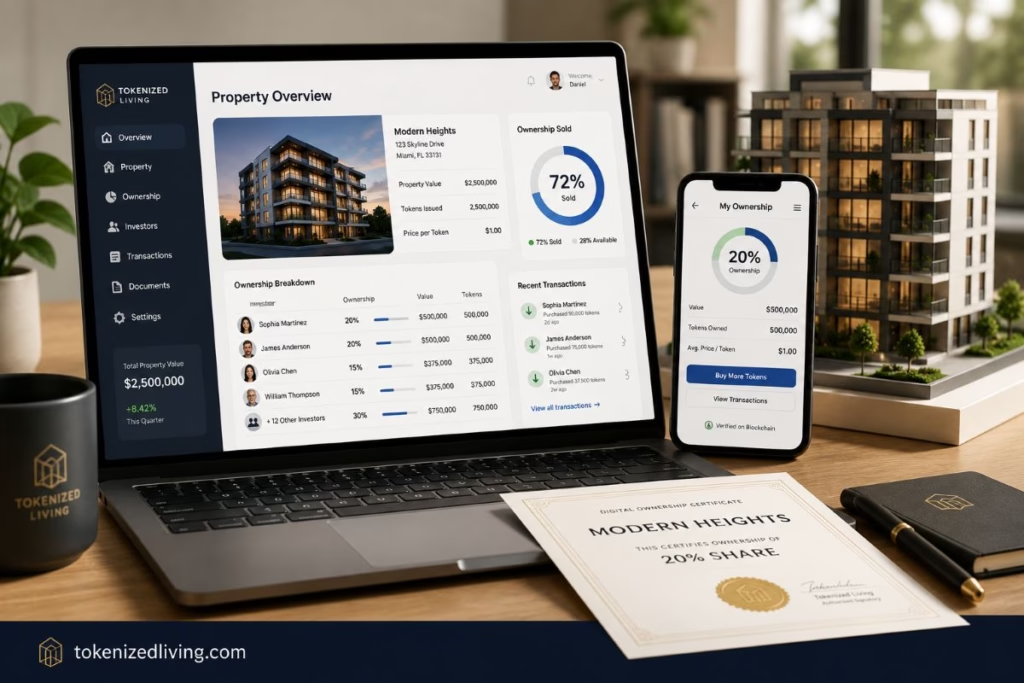
A group can own a property through conventional legal documents without using blockchain. Alternatively, a company can represent its ownership interests through tokens connected with the appropriate records and agreements.
Tokens can also represent debt or other claims that do not provide ownership of the underlying property. Our guide to what tokenization means explains these differences.
Fractional Ownership vs Timeshares
Holiday-property arrangements can overlap, so the labels alone do not establish what a buyer receives. Both fractional ownership products and timeshares may include rights to use accommodation during specified periods.
Some timeshares provide a deeded property interest, while other arrangements provide contractual usage rights. The FTC’s explanation of timeshares and vacation clubs describes these different models.
Compare the ownership documents, booking rights, recurring charges and exit terms of the actual products. Our fractional ownership versus timeshare guide explores that comparison in more detail.
Are Fractional Shares the Same Thing?
Fractional stock investing lets you purchase less than one whole company share through a participating broker. For example, you might invest $50 when a full share costs $200.
Voting rights, order handling and transfers between brokers depend on the fractional-share programme. The SEC’s investor bulletin on fractional share investing explains these practical differences.
This shares the idea of buying a smaller interest, but its administration differs from co-owning a private property. The market for a listed company’s shares also differs from the market for a minority interest in one building.
What Should You Check Before Buying?
Start by identifying what you will legally own and how your ownership will be recorded. Read the documents covering your financial rights, obligations and liability.
Next, review the valuation, borrowing and total costs. Establish whether the price includes purchase expenses and whether additional contributions can be required.
Check who manages the asset and which decisions owners can influence. Look for reporting commitments, management fees and a process for replacing the manager where applicable.
Finally, review the exit provisions and arrangements for operational failure. Understand who maintains ownership records and how management can continue if a platform or service provider closes.
Where to Go Next
Fractional ownership works best as a concept when you connect the ownership percentage with its actual rights and responsibilities. The agreement turns that percentage into rules for income, costs, decisions and resale.
For property investments using digital tokens, continue with our complete guide to tokenized real estate. It explains how fractional interests connect with platforms, digital records and different property investment structures.
Frequently Asked Questions
Does fractional ownership mean I own part of the asset?
You may own an interest directly or hold equity in a company that owns the asset. A product offering only lending exposure or income payments needs to be distinguished from ownership.
Can fractional owners earn income?
Income depends on the asset and the agreement governing distributions. Expenses, reserves and other obligations can reduce the amount available to owners.
Can I stay in a fractionally owned property?
Personal use must be permitted by the ownership arrangement. Investment properties may offer no usage rights, while shared holiday homes usually need a booking system.
Can owners ask me to contribute more money?
Some agreements require or permit additional contributions for repairs, expenses or other funding needs. Check the approval process and the consequences of missing a required payment.
Can I sell whenever I want?
Your ability to sell depends on the agreement, transfer rules and available buyers. A small ownership interest can take time to sell, even when the underlying asset has substantial value.
Does fractional ownership require blockchain?
Fractional ownership can operate through conventional title, company or other ownership records. Blockchain is an optional technology used in some arrangements to represent and transfer interests.