
Elephantsclub once offered an unusual way to invest in luxury watches.
Instead of buying an entire Rolex or Patek Philippe, investors could purchase a fraction of one. The platform sourced valuable watches, divided the investment between several users and managed the physical asset.
However, Elephantsclub no longer operates as the main route for new investments.
Splint Invest acquired the Swiss watch-investment platform in May 2024. Several former Elephants assets have since appeared within the Splint Invest ecosystem. These include a Patek Philippe Nautilus and a vintage Rolex Submariner.
Therefore, this updated Elephantsclub review answers two questions:
- What happened to the original platform?
- How can investors access fractional luxury watches now?
TL;DR
- Elephantsclub was a Swiss platform for fractional luxury-watch ownership.
- Splint Invest acquired Elephants in May 2024.
- Investors can no longer treat Elephantsclub as a separate active investment platform.
- Former Elephants watch assets now appear on Splint Invest.
- Splint allows investors to start with €50.
- Its initial platform fee ranges from 4% to 10%.
- Storage and insurance costs are included initially but may change at exit.
- Marketplace access does not guarantee that another investor will buy your fractions.
- Splint describes its model as fractional co-ownership, not investor-held blockchain tokens.
- Luxury-watch investing remains speculative, illiquid and dependent on resale demand.
Some links in this article may be affiliate links. We may earn a commission if you use them, at no extra cost to you.
This article is for educational purposes only. It is not financial, legal or tax advice.
Investing in luxury watches has traditionally been an activity reserved for the wealthy and the well-connected. However, with the advent of technology and innovative platforms like Elephantsclub.io, the barriers to entry are being dismantled. Elephantsclub.io offers a fascinating opportunity for watch enthusiasts and investors alike to buy fractions of luxury watches. In this detailed review, we’ll explore every facet of Elephantsclub.io and assess the platform’s value proposition.
Is Elephantsclub Still Operating?
Elephantsclub no longer operates as the independent fractional-watch platform described in the original version of this review.
Splint Invest now identifies Elephants as a former Swiss platform that enabled partial ownership of rare luxury watches. It also confirms that Splint acquired the business in May 2024.
That changes the purpose of this article.
It would be misleading to review Elephantsclub as though investors could still register on its original website, browse new watches and purchase fractions directly.
Instead, Elephantsclub should now be viewed as part of Splint Invest’s development and watch-investment history.
What Was Elephantsclub?
Elephantsclub focused exclusively on high-end watches.
The platform allowed several investors to share the economic ownership of one valuable timepiece. Therefore, someone could gain exposure to a rare watch without funding the full purchase price.
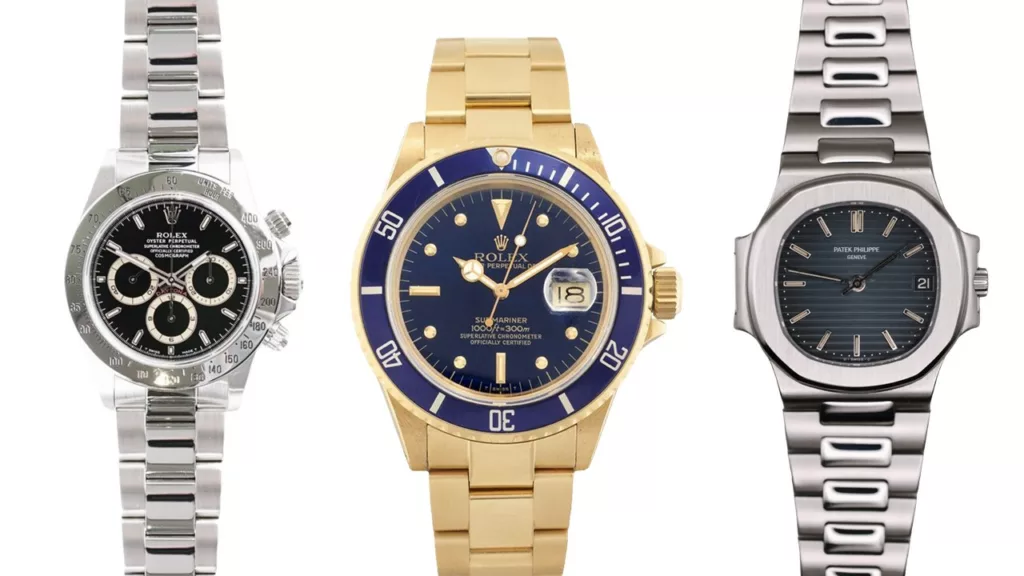
The original collection included watches such as:
- Patek Philippe Nautilus Ref. 3800/1A
- Rolex Submariner Ref. 16808
- Rolex Daytona Zenith “Patrizzi” Ref. 16520
These were collectible physical watches rather than cryptocurrencies or conventional company shares.
Elephantsclub sourced the watches and arranged the fractional ownership. Meanwhile, investors depended on the platform to handle authentication, storage, insurance and the eventual sale.
That model lowered the financial barrier to entry. However, it also placed significant responsibility in the hands of the platform and its service providers.
What Happened to the Elephantsclub Watches?
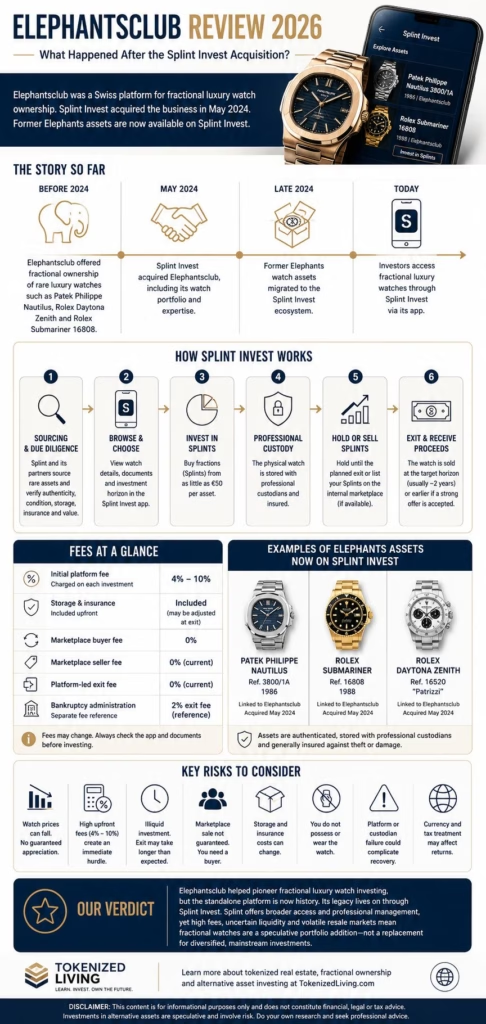
At least three Elephants-linked watches have appeared on Splint Invest.
Patek Philippe Nautilus Ref. 3800/1A
Splint currently hosts an asset page for a 1986 Patek Philippe Nautilus Ref. 3800/1A.
The page identifies Elephants as the expert connected to the asset. It also includes documents covering the watch, professional storage and insurance.
Rolex Submariner Ref. 16808
A second asset page covers a 1988 Rolex Submariner Ref. 16808.
This watch has an 18-karat gold case and the collectible “nipple” dial associated with certain vintage Submariners. Splint again identifies Elephants as the original expert and confirms the May 2024 acquisition.
Rolex Daytona Zenith “Patrizzi”
Splint also maintains asset pages for a Rolex Daytona Ref. 16520 associated with the former Elephants collection.
Therefore, the original watches did not simply disappear when Elephantsclub stopped operating independently. Instead, Splint appears to have absorbed at least part of the watch portfolio and related expertise.
What Is Splint Invest?
Splint Invest is a Swiss fractional alternative-asset platform.
It gives investors access to physical assets through units called “Splints.” Depending on availability, its broader investment range can include:
- Luxury watches
- Fine art
- Rare wine
- Whisky
- Luxury handbags
- Classic cars
- Collectibles
The minimum investment currently starts at €50. This allows users to spread smaller amounts between several physical assets rather than funding one complete purchase.
However, accessibility should not be confused with safety.
A €50 minimum limits the amount required to begin. It does not reduce the investment risk attached to the underlying watch.
Is Splint Invest Actually Tokenizing the Watches?
This distinction matters.
Splint’s public materials describe fractional co-ownership units called Splints. They do not describe investors receiving transferable blockchain tokens in their own crypto wallets.
Therefore, this appears to be a fractional ownership model rather than conventional on-chain tokenization.
That does not make the investment invalid. Fractional ownership can exist without blockchain.
However, readers should not assume that:
- Their ownership appears on a public blockchain
- They receive an ERC-20 or similar token
- They can transfer the investment to an external wallet
- Smart contracts control the ownership
- The fractions can trade on decentralized exchanges
The platform’s legal records and app appear to manage the co-ownership arrangement.
This is why understanding the difference between fractional ownership and tokenization matters. Not every digitally divided investment is a tokenized asset.
How Fractional Watch Investing Works Through Splint
The process is relatively straightforward.
1. Splint Sources an Asset
Splint works with specialist partners to identify a watch or another alternative asset.
The platform says its review process examines authenticity, condition, storage, insurance and valuation before listing an investment.
2. Investors Purchase Splints
Users review the asset information through the app and purchase one or more fractions.
The minimum entry point generally starts at €50. However, availability depends on the specific asset and whether its initial offering remains open.
3. A Custodian Stores the Watch
Investors do not receive the watch or take turns wearing it.
Instead, professional custodians store the physical asset. Splint says that assets are generally insured against risks such as theft or damage.
4. Investors Hold or List Their Fractions
An investor can normally hold the Splints until the underlying watch sells.
Alternatively, the investor may attempt to sell through Splint’s internal marketplace. However, a successful sale depends on another user choosing to buy.
5. The Underlying Watch Is Eventually Sold
Splint defines an expected investment horizon for each asset. According to its current exit guidance, that horizon is often around two years.
The company may accept a strong early offer. During the planned exit window, it actively seeks buyers. If no suitable buyer appears, the holding period can continue beyond the original target.
Once a sale completes, investors receive their proportionate proceeds after relevant adjustments and costs.
What Do Investors Actually Own?
Splint says investors become co-owners of the underlying physical assets.
According to the company, those assets should remain outside MARK Investment Holding AG’s liquidation estate if the business fails. Splint names Xellenz Revisionen GmbH as the party responsible for representing co-owners during such a process.
That sounds reassuring, but investors should review the legal documents rather than rely on a brief explanation on the website.
Important questions include:
- How is each investor’s co-ownership recorded?
- Which country’s law governs the agreement?
- Who controls the sale decision?
- Can investors reject a proposed sale?
- What happens if storage costs increase?
- How long could asset recovery take after platform failure?
- Which costs would apply during administration?
Splint’s legal FAQ also states that Xellenz would receive compensation through a 2% exit fee in a bankruptcy scenario. That is separate from the platform’s currently advertised normal exit fee of 0%.
In other words, asset separation does not mean a platform collapse would be quick, free or simple.
Splint Invest Regulation and Oversight
Splint operates through MARK Investment Holding AG in Zug, Switzerland.
The company states that it acts as a financial intermediary supervised through VQF, a Swiss self-regulatory organisation. It also says it operates under the Swiss fintech sandbox rules and can hold up to CHF1 million in customer funds.
Splint further states that:
- BDO conducts annual financial and anti-money-laundering audits
- KMU Revisionen-AG audits the existence of assets at storage locations
- Information is regularly transmitted to Xellenz
- The company maintains blocked funds and a bank guarantee for administrative, storage and insurance costs
These statements describe Splint’s published framework. They do not amount to a government guarantee that investors cannot lose money.
VQF oversight and anti-money-laundering compliance should not be confused with approval of each watch or its expected return.
Elephantsclub and Splint Invest Fees
Fees are one of the biggest weaknesses of this model.
Splint currently charges an initial platform fee of between 4% and 10% on each investment. The app shows the precise charge before the investor confirms a purchase.
That creates an immediate performance hurdle.
For example, suppose €500 includes an 8% platform fee. The underlying investment must first recover that cost before the investor achieves a positive net return.
Splint says the fee contributes toward:
- Asset sourcing
- Verification
- Platform operation
- Customer service
- Acquisition-related work
Storage and insurance costs are also included within the initial investment amount. However, those costs remain variable.
If the final expenses are lower than expected, Splint says it will refund the difference at exit. Conversely, higher expenses may be deducted from the investor’s account when the asset sells.
Current published fee summary
| Charge | Current published position |
|---|---|
| Initial platform fee | 4%–10% |
| Recurring storage invoice | Included upfront |
| Insurance | Included upfront |
| Normal platform-led exit fee | 0% |
| Marketplace buyer fee | 0% |
| Current marketplace seller fee | 0% |
| Buyback fee | Varies |
| Bankruptcy administration | Separate 2% exit-fee reference |
The fee structure may change. Therefore, check the app and legal documents before investing.
Can You Sell Your Watch Fractions at Any Time?
Not reliably.
Splint operates an internal marketplace where users can offer Splints for sale. However, the marketplace does not guarantee a buyer.
Splint itself describes alternative assets as illiquid and long-term investments. It also warns that investors selling early may have to accept a liquidity discount.
The platform mentions a possible buyback option in difficult situations. However, that buyback:
- Is discretionary
- Is not guaranteed
- May involve fees
- Can depend on the asset and holding period
Therefore, investors should only commit money they can leave invested for an uncertain period.
The planned two-year horizon is a target, not a maturity date or guaranteed exit.
What Determines the Value of a Luxury Watch?
A branded watch does not automatically increase in value.
Its future resale price depends on several factors.
Brand and Model Demand
Rolex and Patek Philippe have strong collector followings. Nevertheless, demand varies significantly between references, materials and production periods.
Condition
Scratches, replaced parts, polishing and mechanical damage can reduce the resale value.
Box, Papers and Provenance
Collectors often pay more for watches with their original box, warranty papers and documented ownership history.
Rarity
Limited production can support prices. However, rarity means little when buyer demand remains weak.
Market Cycles
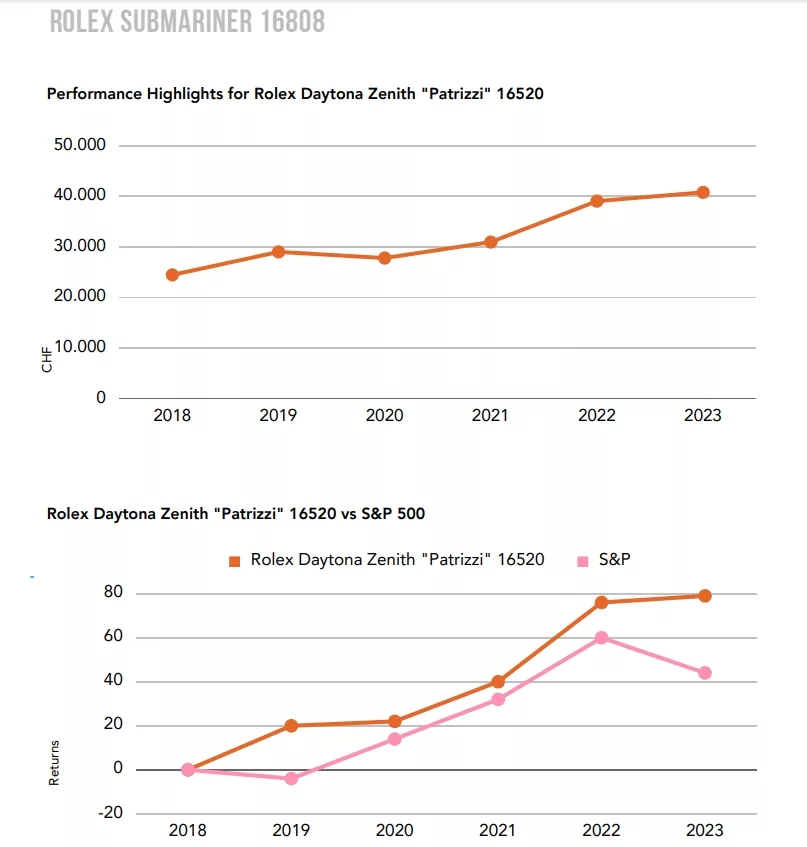
Luxury-watch prices can rise sharply during speculative periods and fall when demand cools.
Dealer and Auction Costs
The headline sale price is not necessarily the amount investors receive. Dealer margins, auction commissions, servicing and transaction costs can reduce the net proceeds.
Currency Movements
Investors may fund their accounts in euros while the international watch market quotes prices in Swiss francs, pounds or dollars.
As a result, exchange-rate changes can affect returns.
Main Risks of Investing Through Elephantsclub’s Successor
Watch Prices Can Fall
Luxury watches are collectible consumer assets. Their prices depend heavily on discretionary demand and investor sentiment.
Fees Can Destroy Modest Returns
A platform fee as high as 10% means the asset needs substantial appreciation before the investor makes a net profit.
Valuations Are Estimates
The value shown in an app does not guarantee that a buyer will pay that amount.
Marketplace Liquidity Is Limited
A resale feature is not the same as a liquid public market.
The Exit Date Can Move
The watch may remain unsold after the expected investment horizon.
Investors Cannot Use the Watch
Fractional owners gain financial exposure. They do not gain possession or personal enjoyment of the timepiece.
Platform Dependence Remains
Investors rely on Splint, its custodians, experts, insurers and legal partners.
Authentication Cannot Remove Market Risk
A genuine watch can still lose value.
Tax Treatment Can Vary
Profits, losses and fractional ownership may receive different tax treatment depending on the investor’s country.
Elephantsclub and Splint Invest: Pros and Cons
| Potential advantages | Main disadvantages |
|---|---|
| Exposure from €50 | Initial fee of 4%–10% |
| Access to rare watches | No guaranteed appreciation |
| Professional storage | Investors cannot possess the watch |
| Insurance included initially | Costs may change at exit |
| Ability to diversify between assets | Internal marketplace may lack buyers |
| Legacy Elephants expertise retained | Exit timing remains uncertain |
| Asset-level documents available | Platform and custodian dependence |
Is Fractional Watch Ownership Suitable for Beginners?
The low minimum may attract beginners. However, the product itself is not especially simple.
Investors must understand:
- Fractional co-ownership
- Collectible valuations
- Platform fees
- Custody arrangements
- Marketplace liquidity
- Long and uncertain holding periods
- Foreign tax and currency exposure
A beginner could use a small investment to learn how the system works. Nevertheless, describing the platform as automatically suitable for beginners would be irresponsible.
Someone who needs predictable income, easy withdrawals or capital protection should look elsewhere.
Elephantsclub Review Verdict
Elephantsclub helped show that luxury watches could be divided into smaller investable fractions.
However, the standalone platform is now history.
Splint Invest acquired Elephants in May 2024 and appears to have absorbed at least part of its watch portfolio and expertise. Former Elephants assets, including a Patek Philippe Nautilus and Rolex Submariner, remain visible through Splint.
Splint offers a broader and more developed alternative-investment platform. Its €50 minimum makes rare physical assets easier to access.
However, the drawbacks are substantial.
The initial 4%–10% fee creates a serious barrier to profit. Meanwhile, the marketplace cannot guarantee liquidity, and the planned exit date may slip.
Therefore, fractional luxury watches should be treated as speculative alternative investments.
They may suit someone who:
- Understands collectible markets
- Accepts uncertain exit timing
- Can tolerate losses
- Wants limited exposure to alternative assets
- Has already built a diversified core portfolio
They do not suit anyone expecting guaranteed watch appreciation or stock-market-style liquidity.
Tokenized Living verdict: Elephantsclub’s acquisition did not end its fractional-watch model. It moved that model into Splint Invest. Access has improved, but the fees, liquidity constraints and resale risks remain impossible to ignore.
Frequently Asked Questions
What happened to Elephantsclub?
Splint Invest acquired the Swiss fractional-watch platform in May 2024. Former Elephants assets now appear through Splint Invest.
Can I still invest directly through Elephantsclub?
Elephantsclub no longer serves as the main independent route for new investments. Investors now need to examine opportunities available through Splint Invest.
What was the minimum investment with Elephantsclub?
The original terms varied. Splint Invest currently allows users to begin with €50.
Does Splint Invest use blockchain tokens?
Its public materials describe fractional co-ownership units called Splints. They do not describe investors holding blockchain tokens in external wallets.
What fees does Splint Invest charge?
The current platform fee ranges from 4% to 10%. Storage and insurance costs are included initially but may receive adjustments at exit.
Can I sell my Splints whenever I want?
You can list eligible Splints on the internal marketplace. However, another investor must agree to buy them. A sale is not guaranteed.
What happens if Splint Invest fails?
Splint states that investors remain co-owners and that the physical assets sit outside the company’s liquidation estate. It names Xellenz Revisionen GmbH as the representative for co-owners during a bankruptcy process.
Are luxury watches guaranteed to rise in value?
No. Prices can fall because of weaker demand, changing trends, economic conditions or problems affecting a particular watch.
Do fractional owners get to wear the watch?
No. A professional custodian stores the physical watch. Investors receive economic exposure rather than possession.
Is Elephantsclub or Splint Invest worth using?
It may provide limited alternative-asset exposure for investors who accept high fees and weak liquidity. It should not replace a diversified mainstream investment portfolio.
Interested in fractional ownership? Check out our review of Realt tokenized real estate platform.